Source Outdoor Directional Flat Antenna for Base, Car, and GPS
Compare 27 outdoor directional flat antenna options from verified Chinese manufacturers. Buyers can evaluate specifications like gain, VSWR, and mounting types for base station, vehicle, and GPS applications to find the right solution; compare the available evidence and request quotations based on your requirements.
Key considerations
Products List


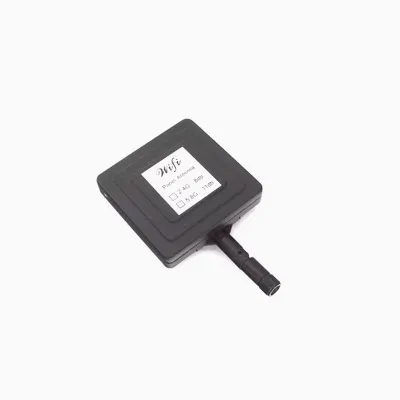
Comprehensive Sourcing Guide
Outdoor Directional Flat Antenna Sourcing Guide
Procuring outdoor directional flat antennas requires a disciplined approach to balancing physical durability with precise electromagnetic performance. Buyers must first define the operational environment, as these antennas are engineered for specific mounting scenarios where line-of-sight transmission is critical. The flat form factor allows for low-profile installation on rooftops or poles, minimizing wind load while maintaining a directional beam pattern. This geometry is particularly advantageous in urban or cluttered environments where omnidirectional signals suffer from multipath interference. Understanding the distinction between receiving and transmitting capabilities is essential, as the internal circuitry and impedance matching differ significantly between these modes.
The sourcing landscape for these components is diverse, with manufacturers offering various customization options to meet distinct frequency and gain requirements. Buyers should verify the material composition, as aluminum and copper variants offer different trade-offs between weight, corrosion resistance, and signal conductivity. The observed market includes products ranging from basic communication aids to specialized GPS and CATV equipment, each with unique dimensional and connector specifications. It is crucial to align the antenna’s directional characteristics with the target signal source to maximize gain and minimize noise. This guide outlines the technical, commercial, and quality assurance steps necessary to secure reliable supply chains for outdoor directional flat antennas.
Product Scope and Observed Listing Signals
The current market for outdoor directional flat antennas encompasses a wide array of configurations, including models designed for base station applications and specialized uses like GPS reception. Listings indicate that customization is widely available, allowing buyers to tailor dimensions, connectors, and cable lengths to specific project needs. The observed product range includes antennas with operating wavelengths in the microwave and medium wave spectrums, suggesting versatility across different communication bands. Buyers should note that while many products are marketed as directional, some listings may also describe omnidirectional or two-dimensional characteristics, requiring careful verification of the beam pattern.
Physical attributes such as material construction and mounting methods vary significantly across suppliers. Aluminum and copper are common materials, chosen for their conductivity and structural integrity in outdoor conditions. Mounting options include magnetic bases for temporary setups or fixed brackets for permanent installations. The packaging methods observed, such as OPP bags or polybags with carton boxes, indicate varying levels of protection during transit. Buyers must scrutinize these details to ensure the product can withstand environmental stressors like rain, UV exposure, and temperature fluctuations. The presence of specific models like AT027 or GKA-GSM-TR300 highlights the importance of matching part numbers to technical datasheets.
Technical Specifications to Verify
Verifying the Voltage Standing Wave Ratio (VSWR) is a critical step in ensuring efficient power transfer and signal integrity. Observed VSWR values range from less than 1.5 to 1.5–2, with lower ratios indicating better impedance matching and reduced signal reflection. Buyers should prioritize antennas with VSWR values closer to 1.0 for high-performance applications, particularly in transmitting scenarios where efficiency is paramount. Additionally, the gain specification, often measured in dBi, determines the antenna’s ability to focus energy in a specific direction. A gain of 28±2 dBi, for instance, suggests a high-gain directional antenna suitable for long-range communication links.
Frequency and connector compatibility are equally vital technical parameters that must align with the existing infrastructure. Operating frequencies, such as 1575.42 MHz for GPS applications, must match the target signal band to ensure proper reception. Connector types, including MCX male or other standard interfaces, must be compatible with the cable and device being used. Cable length and type, such as RG174, also impact signal loss, with longer runs requiring higher-quality coaxial cables to maintain performance. Buyers should request detailed datasheets that specify these parameters to avoid integration issues and ensure the antenna performs as expected in the final installation.
Compliance and Safety Documentation
Regulatory compliance is non-negotiable for outdoor antennas, particularly those used in communication and broadcasting applications. Certifications such as CE, FCC, and RoHS are commonly observed, indicating adherence to electromagnetic compatibility and environmental safety standards in key markets. Buyers must verify that the supplier provides valid certification documents for each batch, as counterfeit or expired certificates pose significant legal and operational risks. The presence of ISO 9001:2008 or ISO/TS16949 standards suggests a manufacturer’s commitment to quality management systems, which can be a proxy for production consistency.
In addition to regulatory certifications, buyers should inquire about specific testing protocols used to validate antenna performance. While specific test results may not be publicly listed, reputable suppliers should be able to provide factory test reports for VSWR, gain, and radiation patterns. For antennas intended for automotive or industrial use, additional certifications such as ISO standards may be required to ensure reliability under harsh conditions. Buyers should also confirm that the materials used, such as aluminum or copper, comply with environmental regulations regarding hazardous substances. This due diligence helps mitigate the risk of product recalls or regulatory penalties in the destination market.
Cost Drivers and Commercial Terms
The cost of outdoor directional flat antennas is influenced by several factors, including material composition, gain, and customization requirements. Higher gain antennas and those with specialized connectors or cable lengths typically command higher prices. The observed price range of $0.5 to $4000 USD reflects the diversity of products, from simple passive antennas to complex active systems with integrated electronics. Buyers should request detailed quotations that break down costs for materials, labor, and tooling, especially for customized orders. Understanding these cost drivers helps in negotiating better terms and avoiding hidden fees that can inflate the final price.
Minimum Order Quantities (MOQ) and payment terms are key commercial considerations that affect procurement flexibility. Observed MOQs range from 1 to 1000 units, allowing buyers to start with small test orders or scale up for large deployments. Suppliers may offer discounts for higher volumes, so buyers should evaluate the total cost of ownership rather than just the unit price. Lead times can vary based on stock availability and customization needs, so it is essential to confirm delivery schedules before placing orders. Buyers should also clarify warranty terms and return policies to protect against defective products or manufacturing inconsistencies.
Supplier Qualification and Quality Control
Evaluating supplier qualifications is essential to ensure consistent product quality and reliable after-sales support. Buyers should verify the supplier’s manufacturing capabilities, including their production capacity and quality control processes. Factories with ISO certifications and established quality management systems are more likely to deliver products that meet specified technical standards. It is also important to assess the supplier’s experience in the antenna industry, as specialized knowledge can lead to better product design and troubleshooting support. Buyers should request references or case studies to validate the supplier’s track record in similar projects.
Quality control measures should be integrated into the procurement process to minimize the risk of receiving defective units. Buyers should specify incoming inspection criteria, such as visual checks for physical damage and functional tests for VSWR and gain. For large orders, third-party inspection services can provide an independent verification of product quality before shipment. Clear communication of technical specifications and acceptance criteria in the purchase order is crucial to avoid disputes. Buyers should also establish a feedback loop with the supplier to address any quality issues promptly and improve future orders.
Long-Term Procurement Checks
Establishing long-term procurement relationships requires ongoing monitoring of supplier performance and product reliability. Buyers should track key performance indicators such as on-time delivery rates, defect rates, and responsiveness to technical queries. Regular audits of the supplier’s quality management system can help identify potential issues before they impact production. Maintaining open communication channels with the supplier facilitates continuous improvement and ensures that any changes in product design or materials are properly communicated. This proactive approach helps mitigate supply chain risks and ensures a stable source of high-quality antennas.
As technology evolves, buyers must stay informed about emerging trends and standards in the antenna industry. Regularly reviewing technical specifications and compliance requirements ensures that procured antennas remain compatible with evolving infrastructure and regulatory landscapes. Buyers should also consider the lifecycle of the product, including availability of spare parts and support for future upgrades. Building a diversified supplier base can reduce dependency on a single source and provide flexibility in case of disruptions. By focusing on long-term value rather than just short-term cost, buyers can secure a resilient and efficient supply chain for their outdoor directional flat antenna needs.
FAQs
What is the VSWR range for this outdoor directional flat antenna?
The VSWR range is typically 1.5 to 2 for this outdoor directional flat antenna. This specification ensures efficient signal transmission with minimal reflection loss. It is suitable for base station applications where stable performance is critical. Buyers should verify specific model requirements to ensure compatibility with their existing communication infrastructure and network standards.
Can this antenna be customized for specific base antenna needs?
Yes, customization is available for this outdoor directional flat antenna to meet specific base antenna requirements. Manufacturers can adjust dimensions and mounting options to fit various installation environments. This flexibility allows for tailored solutions in communication and TV antenna applications. Buyers should provide detailed specifications to ensure the customized product aligns with their operational needs and technical constraints.
What certifications are required for this outdoor directional flat antenna?
Certifications such as CE, FCC, RoHS, and ISO9001:2008 are commonly required for this outdoor directional flat antenna. These standards ensure compliance with international safety and environmental regulations. Some models may also include ISO/TS16949 for automotive applications. Buyers must verify that the supplier provides valid documentation to meet local regulatory requirements and ensure product reliability in global markets.
How is the outdoor directional flat antenna packaged for shipping?
The outdoor directional flat antenna is packaged in OPP bags, polybags, or standard packages with paper cartons. This packaging protects the product during transit and storage. Some suppliers offer custom packaging based on customer requirements. Proper packaging ensures the antenna remains undamaged and ready for immediate installation upon arrival at the destination site or distribution center.
What is the typical MOQ for ordering this outdoor directional flat antenna?
The typical MOQ for ordering this outdoor directional flat antenna ranges from 1 to 1000 units. This flexibility allows buyers to place small trial orders or large bulk purchases. Suppliers may adjust MOQ based on customization needs and production capacity. Buyers should confirm the exact MOQ with the supplier to align with their inventory planning and budget constraints effectively.
Where is this outdoor directional flat antenna manufactured?
This outdoor directional flat antenna is manufactured in China, with some production located in Guangzhou. Chinese manufacturers are known for competitive pricing and robust supply chains. Buyers should verify the specific origin to assess logistics costs and lead times. Understanding the manufacturing location helps in evaluating the supplier's reliability and compliance with international trade standards and regulations.